
 EN
EN



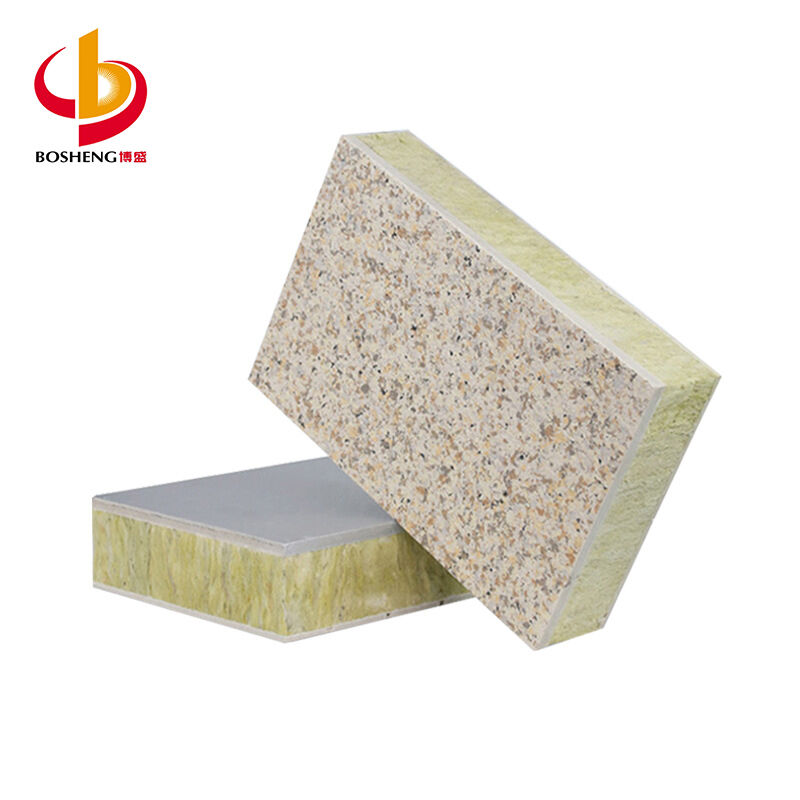
Έξωτερικό τοίχωμα θερμοαποκριβές πομφολιά πετρώματος αποτελεί μια μεταρρυθμιστική προσέγγιση για την ενεργειακή απόδοση και τη θερμική απόδοση των κτιρίων. Καθώς οι δομικές προδιαγραφές εξελίσσονται προς υψηλότερες απαιτήσεις βιωσιμότητας, αυτή η μονωτική λύση με βάση ορυκτά προσφέρει εντυπωσιακά πλεονεκτήματα τόσο για νέες κατασκευές όσο και για εφαρμογές αναβάθμισης. Οι μοναδικές ιδιότητες του πετροβάμβακα τον καθιστούν ιδιαίτερα κατάλληλο για εξωτερικά συστήματα τοίχων, όπου η θερμική απόδοση, η πυρασφάλεια και η μακροχρόνια ανθεκτικότητα αποτελούν κρίσιμους παράγοντες.
Η κατανόηση των συγκεκριμένων πλεονεκτημάτων του μονωτικού υλικού από πετροβάμβακα για εξωτερικά τοιχώματα απαιτεί την εξέταση των χαρακτηριστικών απόδοσής του σε πολλαπλές διαστάσεις. Από την ανώτερη θερμική απόδοση μέχρι την εξαιρετική αντίσταση στη φωτιά, αυτό το μονωτικό υλικό προσφέρει μετρήσιμα πλεονεκτήματα που μεταφράζονται σε πραγματικά οφέλη για τους ιδιοκτήτες κτιρίων, τους κατοίκους και τους επαγγελματίες της κατασκευής. Η στρατηγική εφαρμογή του πετροβάμβακα στα συστήματα εξωτερικών τοιχωμάτων δημιουργεί μια ολοκληρωμένη λύση για το κέλυφος του κτιρίου, η οποία αντιμετωπίζει τις σύγχρονες προκλήσεις της κατασκευής και παρέχει μακροπρόθεσμη αξία.
Πλεονεκτήματα Ανώτερης Θερμικής Απόδοσης
Εξαιρετικές Ιδιότητες Θερμικής Αγωγιμότητας
Η θερμική αγωγιμότητα του βάμβακα πετροβάμβακα για την μόνωση εξωτερικών τοίχων κυμαίνεται συνήθως από 0,032 έως 0,040 W/mK, καθιστώντας τον εξαιρετικά αποτελεσματικό στη μείωση της μεταφοράς θερμότητας μέσω των κελύφους κτιρίων. Αυτή η χαμηλή θερμική αγωγιμότητα σημαίνει ότι σχετικά λεπτά στρώματα πετροβάμβακα μπορούν να επιτύχουν σημαντικές τιμές θερμικής αντίστασης, βελτιστοποιώντας τόσο την απόδοση όσο και την αποδοτικότητα της εγκατάστασης. Η ινώδης δομή του υλικού δημιουργεί εκατομμύρια μικροσκοπικές αεροθύρες που εγκλωβίζουν τον αέρα και ελαχιστοποιούν τη μεταφορά θερμότητας μέσω συναγωγής.
Σε αντίθεση με ορισμένα υλικά μόνωσης που ενδέχεται να παρουσιάζουν θερμική γέφυρα ή ανομοιογενή κατανομή της απόδοσης, ο πετροβάμβακας διατηρεί συνεκτικές θερμικές ιδιότητες σε όλη τη δομή του. Αυτή η ομοιογένεια διασφαλίζει ότι ολόκληρο το σύστημα εξωτερικού τοίχου λειτουργεί όπως προβλέπεται, εξαλείφοντας τα αδύναμα σημεία που θα μπορούσαν να υπονομεύσουν τη συνολική ενεργειακή απόδοση του κτιρίου. Η σταθερή θερμική απόδοση του πετροβάμβακα παραμένει συνεπής σε διαφορετικές συνθήκες θερμοκρασίας, παρέχοντας αξιόπιστη απόδοση μόνωσης καθ’ όλη τη διάρκεια του έτους.
Μακροπρόθεσμη Θερμική Σταθερότητα
Η εξωτερική μόνωση τοίχων με πετροβάμβακα διατηρεί τα χαρακτηριστικά θερμικής απόδοσής της για μεγάλα χρονικά διαστήματα, χωρίς σημαντική επιδείνωση. Η ορυκτή σύνθεση του πετροβάμβακα αντιστέκεται στην καθίζηση, στη συμπίεση και στις επιδράσεις των εναλλαγών θερμοκρασίας, οι οποίες μπορούν να μειώσουν την αποτελεσματικότητα άλλων υλικών μόνωσης. Αυτή η μακροπρόθεσμη σταθερότητα σημαίνει ότι οι αρχικοί υπολογισμοί θερμικής απόδοσης παραμένουν έγκυροι σε όλη τη διάρκεια λειτουργίας του κτιρίου.
Η διαστατική σταθερότητα του πετροβάμβακα υπό μεταβολές θερμοκρασίας διασφαλίζει ότι δεν αναπτύσσονται θερμικά γέφυρες με την πάροδο του χρόνου λόγω συρρίκνωσης ή διαστολής του υλικού. Αυτό το χαρακτηριστικό είναι ιδιαίτερα σημαντικό σε εφαρμογές εξωτερικών τοίχων, όπου οι μεταβολές θερμοκρασίας είναι πιο έντονες. Οι ιδιοκτήτες κτιρίων μπορούν να βασίζονται σε συνεκτική ενεργειακή απόδοση και σε σταθερά κόστη θέρμανσης, χωρίς να χρειάζεται πρόωρη αντικατάσταση της μόνωσης ή αναβάθμιση του συστήματος.
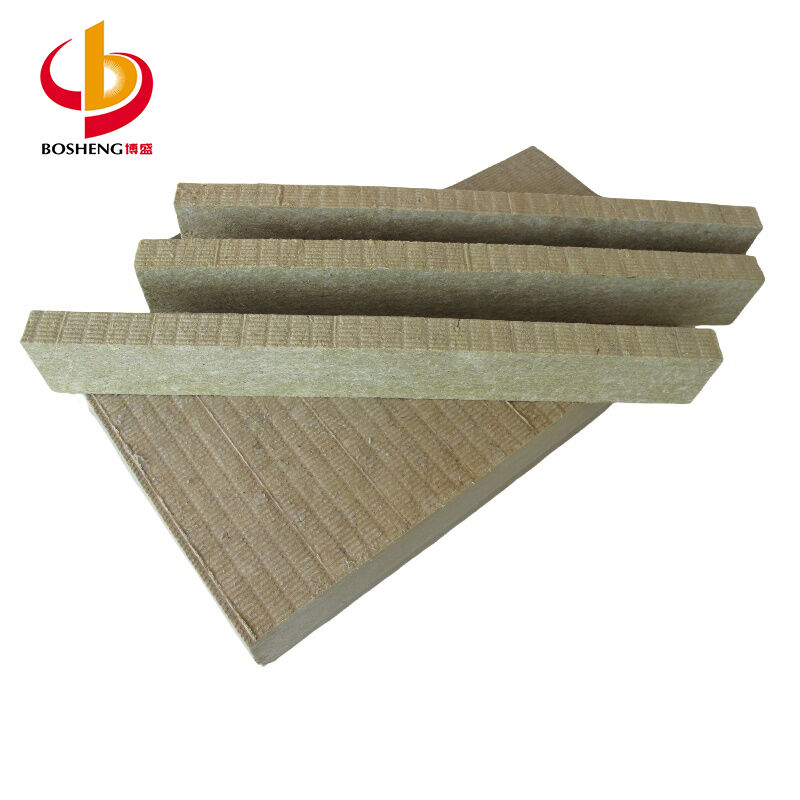
Πλεονεκτήματα Ασφάλειας και Προστασίας από Πυρκαγιά
Ιδιότητες Μη Καίγενων Υλικών
Ένα από τα σημαντικότερα πλεονεκτήματα του βάμβακα πετροβάμβακα για εξωτερική μόνωση τοίχων είναι η μη εύφλεκτη φύση του, με σημείο τήξης πάνω από 1000°C. Αυτό το χαρακτηριστικό παρέχει εξαιρετική απόδοση σε θέματα πυρασφάλειας στα συστήματα εξωτερικών τοίχων, όπου η πρόληψη της διάδοσης της φωτιάς είναι κρίσιμη για την ασφάλεια των κατοίκων και την προστασία του κτιρίου. Ο πετροβάμβακας δεν συμβάλλει ως καύσιμο στις φωτιές και μπορεί μάλιστα να βοηθήσει στον περιορισμό της διάδοσης της φωτιάς εντός των συνθέσεων τοίχων.
Η ανθεκτικότητα στη φωτιά του μόνωση εξωτερικού τοίχου με βαμβάκι πετρώματος τον καθιστά σύμφωνο με τους αυστηρούς κανονισμούς οικοδομικής τεκμηρίωσης και τις διατάξεις πυρασφάλειας στην εμπορική και κατοικηματική κατασκευή. Αυτή η συμμόρφωση απλοποιεί τη διαδικασία σχεδιασμού και έγκρισης των συστημάτων εξωτερικών τοίχων, παρέχοντας ταυτόχρονα στους ιδιοκτήτες κτιρίων εμπιστοσύνη στην επένδυσή τους για την πυρασφάλεια. Η ικανότητα του υλικού να διατηρεί τη δομική του ακεραιότητα υπό συνθήκες πυρκαγιάς παρέχει πολύτιμο χρόνο για την εκκένωση των κατοίκων του κτιρίου.
Έλεγχος Καπνού και Τοξικών Αερίων
Κατά τη διάρκεια πυρκαγιών, το πετροβάμβακο μόνωσης εξωτερικών τοίχων παράγει ελάχιστη καπνιά και δεν εκλύει τοξικά αέρια που θα μπορούσαν να θέσουν σε κίνδυνο τους κατοίκους ή τους πρώτους διασώστες. Αυτό το χαρακτηριστικό είναι ιδιαίτερα πολύτιμο σε ψηλά κτίρια και πυκνοκατοικημένα αστικά περιβάλλοντα, όπου οι ανησυχίες για την πυρασφάλεια είναι αυξημένες. Η απουσία οργανικών δεσμών στο πετροβάμβακο υψηλής ποιότητας προϊόντα εξαλείφει τις πηγές παραγωγής τοξικών αερίων κατά τη θερμική έκθεση.
Η χαμηλή παραγωγή καπνιάς από το πετροβάμβακο βοηθά στη διατήρηση της ορατότητας στα διαδρόματα εκκένωσης και μειώνει τον κίνδυνο τραυματισμών λόγω εισπνοής καπνού. Οι ειδικοί στην πυρασφάλεια αναγνωρίζουν αυτά τα πλεονεκτήματα κατά την επιλογή υλικών μόνωσης για κρίσιμες εφαρμογές. Η απόδοση του υλικού σε συνθήκες πυρκαγιάς έχει υποστεί εκτενή δοκιμή και τεκμηριωθεί, παρέχοντας αξιόπιστα δεδομένα για τους υπολογισμούς μηχανικής πυρασφάλειας.
Διαχείριση Υγρασίας και Ανθεκτικότητα
Αντοχή στο νερό και διαπερατότητα στους ατμούς
Η εξωτερική μόνωση τοίχων με πετροβάμβακα παρουσιάζει εξαιρετική αντοχή στο νερό, διατηρώντας παράλληλα τη διαπερατότητά του στον ατμό, δημιουργώντας έτσι ιδανική ισορροπία διαχείρισης υγρασίας στα συστήματα τοίχων. Η υδροφοβική επεξεργασία που εφαρμόζεται σε προϊόντα πετροβάμβακα υψηλής ποιότητας εμποδίζει την απορρόφηση νερού, ενώ επιτρέπει στον ατμό να διέρχεται μέσω του υλικού. Αυτό το χαρακτηριστικό εμποδίζει τη συσσώρευση υγρασίας εντός της δομής του τοίχου, η οποία θα μπορούσε να οδηγήσει σε ανάπτυξη μύκητα ή σε δομική ζημιά.
Η διαπερατότητα του πετροβάμβακα στον ατμό επιτρέπει στα κτίρια να «αναπνέουν» φυσικά, αποτρέποντας προβλήματα συμπύκνωσης που μπορούν να επηρεάσουν αρνητικά την ποιότητα του εσωτερικού αέρα και τη διαρκή αντοχή του κτιρίου. Αυτή η ικανότητα διαχείρισης υγρασίας είναι ιδιαίτερα σημαντική σε εφαρμογές εξωτερικών τοίχων, όπου οι διαφορές θερμοκρασίας δημιουργούν συνθήκες ευνοϊκές για τον σχηματισμό συμπύκνωσης. Η ικανότητα του υλικού να αντιμετωπίζει την υγρασία χωρίς μείωση της απόδοσής του διασφαλίζει την αξιοπιστία του συστήματος σε μακροπρόθεσμη βάση.
Αντοχή στο καιρό και μεγάλη διαρκεία
Η ορυκτή σύνθεση του πετροβάμβακα για μόνωση εξωτερικών τοίχων παρέχει εξαιρετική αντίσταση στην υποβάθμιση που οφείλεται στον καιρό, συμπεριλαμβανομένης της έκθεσης στην υπεριώδη ακτινοβολία, των κύκλων παγετού-απόψυξης και της χημικής έκθεσης από ατμοσφαιρικούς ρύπους. Αυτή η ανθεκτικότητα μεταφράζεται σε μεγαλύτερη διάρκεια ζωής σε σύγκριση με οργανικά υλικά μόνωσης που ενδέχεται να υποβαθμιστούν υπό παρόμοιες συνθήκες. Το υλικό διατηρεί τη δομική του ακεραιότητα και τα χαρακτηριστικά της απόδοσής του, παρά την έκθεσή του σε ακραίες περιβαλλοντικές συνθήκες.
Τα προϊόντα ποιότητας πετροβάμβακα σχεδιάζονται για να αντιστέκονται στη βιολογική υποβάθμιση, συμπεριλαμβανομένων των επιθέσεων από εντομοειδή, ροδέντια και μικροοργανισμούς. Αυτή η βιολογική αντίσταση εξαλείφει τα συνηθισμένα προβλήματα συντήρησης που συνδέονται με οργανικά υλικά μόνωσης και μειώνει το κόστος συντήρησης των κτιρίων στο μακροπρόθεσμο διάστημα. Η αντίσταση του υλικού στην εισβολή επιβλαβών ζώων συμβάλλει επίσης στη βελτίωση της ποιότητας του εσωτερικού περιβάλλοντος και στη μείωση των απαιτήσεων για έλεγχο επιβλαβών ζώων.
Οφέλη Ακουστικής Απόδοσης
Απορρόφηση ήχου και έλεγχος θορύβου
Η εξωτερική μόνωση τοίχων με πετροβάμβακα παρέχει εξαιρετικές ιδιότητες ακουστικής μόνωσης, μειώνοντας τη μετάδοση θορύβου μέσω των κελύφους των κτιρίων. Η ινώδης δομή του πετροβάμβακα απορροφά αποτελεσματικά την ηχητική ενέργεια σε ένα ευρύ φάσμα συχνοτήτων, καθιστώντάς τον ιδιαίτερα αποτελεσματικό για τον έλεγχο τόσο του αερομεταφερόμενου όσο και του κρουστικού θορύβου. Αυτή η ακουστική απόδοση δημιουργεί πιο άνετα εσωτερικά περιβάλλοντα σε κτίρια που βρίσκονται κοντά σε κυκλοφοριακές αρτηρίες, βιομηχανικές εγκαταστάσεις ή άλλες πηγές θορύβου.
Η πυκνότητα και το πάχος του πετροβάμβακα μπορούν να βελτιστοποιηθούν για την επίτευξη συγκεκριμένων στόχων ακουστικής απόδοσης, επιτρέποντας σε αρχιτέκτονες και μηχανικούς να σχεδιάζουν συστήματα τοίχων που πληρούν αυστηρές απαιτήσεις ελέγχου θορύβου. Αυτή η ευελιξία καθιστά τον πετροβάμβακα για εξωτερική μόνωση τοίχων κατάλληλο για εφαρμογές που κυμαίνονται από την κατοικιακή κατασκευή μέχρι ειδικές εγκαταστάσεις που απαιτούν ακριβή ακουστικό έλεγχο. Οι ακουστικές ιδιότητες του υλικού συμπληρώνουν τη θερμική του απόδοση, παρέχοντας διπλή λειτουργικότητα με ένα μόνο υλικό.
Χαρακτηριστικά Απόσβεσης Δονήσεων
Πέραν της απορρόφησης ήχου, το μονωτικό πετροβάμβακο για εξωτερικούς τοίχους παρέχει αποτελεσματική απόσβεση δονήσεων, μειώνοντας τη μετάδοση δονήσεων στο δομικό πλαίσιο του κτιρίου. Αυτό το χαρακτηριστικό είναι ιδιαίτερα χρήσιμο σε κτίρια που υφίστανται δονήσεις από γειτονική υποδομή μεταφορών, μηχανικό εξοπλισμό ή βιομηχανικές δραστηριότητες. Η ικανότητα του υλικού να διακόπτει τις διαδρομές δόνησης συμβάλλει στη βελτίωση της άνεσης των χρηστών και στη μείωση της δομικής κόπωσης.
Οι ιδιότητες ελέγχου δονήσεων του πετροβάμβακα συμβάλλουν επίσης στη μείωση του θορύβου που προκαλείται από τα μηχανικά συστήματα του κτιρίου, συμπεριλαμβανομένης της μετάδοσης δονήσεων του εξοπλισμού ΚΕΘ (Κλιματισμού, Εξαερισμού και Θέρμανσης) μέσω των τοιχωμάτων. Αυτό το πλεονέκτημα είναι ιδιαίτερα σημαντικό σε εμπορικά κτίρια, όπου ο έλεγχος του μηχανικού θορύβου είναι κρίσιμος για την παραγωγικότητα και την άνεση των χρηστών. Οι ιδιότητες απόσβεσης του υλικού παραμένουν σταθερές με την πάροδο του χρόνου, παρέχοντας συνεπή ακουστική απόδοση σε όλη τη διάρκεια ζωής του κτιρίου.
Πλεονεκτήματα Εγκατάστασης και Ολοκλήρωσης του Συστήματος
Εργασιμότητα και Αποδοτικότητα Εγκατάστασης
Το πετροβάμβακας για εξωτερική μόνωση τοίχων παράγεται σε μορφές που διευκολύνουν την αποδοτική εγκατάσταση σε διάφορες διαμορφώσεις εξωτερικών τοιχωμάτων. Το υλικό μπορεί να κοπεί, να διαμορφωθεί και να προσαρμοστεί για να ανταποκριθεί σε αρχιτεκτονικά χαρακτηριστικά, διαπεράσεις και ανώμαλες επιφάνειες, χωρίς σημαντικές απώλειες ή περιπλοκότητα κατά την εγκατάσταση. Η ευκολία εργασίας με το υλικό μειώνει τον χρόνο εγκατάστασης και το κόστος εργατικού δυναμικού, ενώ διασφαλίζει την πλήρη συνέχεια του θερμομονωτικού κελύφους.
Η ελαφρότητα του πετροβάμβακα σε σχέση με την απόδοσή του ως μονωτικό υλικό μειώνει τις απαιτήσεις φόρτισης της δομής και απλοποιεί τη χειριστικότητά του κατά την εγκατάσταση. Οι ομάδες εγκατάστασης μπορούν να εργάζονται πιο αποδοτικά με τα προϊόντα πετροβάμβακα, μειώνοντας τους χρόνους ολοκλήρωσης των έργων και τα συνδεόμενα κόστη. Η σταθερότητα του υλικού κατά την εγκατάσταση αποτρέπει την καθίζηση ή τη μετατόπισή του, που θα μπορούσαν να υπονομεύσουν την απόδοση του συστήματος ή να δημιουργήσουν δυσκολίες κατά την εγκατάσταση.
Συμβατότητα με Συστήματα Εξωτερικών Τοιχωμάτων
Η εξωτερική μόνωση τοίχων με πετροβάμβακα ενσωματώνεται αποτελεσματικά με διάφορα συστήματα επένδυσης, δομικές διαμορφώσεις και τεχνολογίες κελύφους κτιρίου. Η διαστατική σταθερότητα του υλικού και οι συνεπείς ιδιότητές του το καθιστούν κατάλληλο για χρήση με συστήματα μηχανικής στερέωσης, εφαρμογές με κόλλα και υβριδικές μεθόδους εγκατάστασης. Αυτή η ευελιξία επιτρέπει στους σχεδιαστές να επιλέγουν τις βέλτιστες διαμορφώσεις συστήματος με βάση τις απαιτήσεις του έργου και τους στόχους απόδοσης.
Η χημική συμβατότητα του πετροβάμβακα με τα κοινά δομικά υλικά εξαλείφει τις ανησυχίες σχετικά με την υλική αποδόμηση ή προβλήματα συμβατότητας που θα μπορούσαν να επηρεάσουν τη μακροπρόθεσμη απόδοση του συστήματος. Το υλικό λειτουργεί αποτελεσματικά με μεταλλικά πλαίσια, σκυρόδεμα ως υπόστρωμα και διάφορα τελικά συστήματα επενδύσεως, χωρίς την ανάγκη ειδικής προετοιμασίας ή επεξεργασίας για συμβατότητα. Αυτή η ευρεία συμβατότητα απλοποιεί την προδιαγραφή και μειώνει τον κίνδυνο αποτυχίας του συστήματος λόγω ασυμβατότητας υλικών.
Συχνές Ερωτήσεις
Πώς συγκρίνεται το πετροβάμβακας για εξωτερική μόνωση τοίχων ως προς τη θερμική απόδοση με άλλα υλικά μόνωσης;
Ο πετροβάμβακας για εξωτερική μόνωση τοίχων επιτυγχάνει συνήθως τιμές θερμικής αγωγιμότητας μεταξύ 0,032–0,040 W/mK, κάτι που τον καθιστά ανταγωνιστικό σε σχέση με άλλα υψηλής απόδοσης υλικά μόνωσης. Ωστόσο, το πλεονέκτημα του πετροβάμβακα έγκειται στον συνδυασμό της θερμικής απόδοσης με την ασφάλεια από πυρκαγιά, την αντοχή στην υγρασία και τη μακροχρόνια σταθερότητα. Σε αντίθεση με ορισμένες εναλλακτικές λύσεις, ο πετροβάμβακας διατηρεί σταθερές θερμικές ιδιότητες με το πέρασμα του χρόνου, χωρίς επιδείνωση λόγω υγρασίας, κυκλικών μεταβολών θερμοκρασίας ή βιολογικών παραγόντων.
Ποιες κατηγορίες ασφάλειας από πυρκαγιά μπορούν να επιτευχθούν με συστήματα πετροβάμβακα για εξωτερική μόνωση τοίχων;
Η εξωτερική μόνωση τοίχων με πέτρινο μαλλί μπορεί να συμβάλει στην επίτευξη πιστοποιητικών αντοχής στη φωτιά έως και 4 ώρες σε κατάλληλα σχεδιασμένες δομές τοίχων. Το ίδιο το υλικό κατατάσσεται ως μη εύφλεκτο, με σημείο τήξης πάνω από 1000°C, και παράγει ελάχιστη καπνιά και καθόλου τοξικά αέρια κατά την έκθεση σε φωτιά. Αυτά τα χαρακτηριστικά το καθιστούν κατάλληλο για κατασκευές υψηλών κτιρίων και εφαρμογές με αυστηρές απαιτήσεις ασφάλειας έναντι πυρκαγιάς, συχνά υπερβαίνοντας τις ελάχιστες απαιτήσεις των κανονισμών.
Απαιτεί η εξωτερική μόνωση τοίχων με πέτρινο μαλλί ειδικές τεχνικές εγκατάστασης ή εξοπλισμό;
Η μόνωση εξωτερικού τοίχου από πετροβάμβακα μπορεί να εγκατασταθεί χρησιμοποιώντας τις συνήθεις τεχνικές και εργαλεία κατασκευής, αν και πρέπει να χρησιμοποιούνται κατάλληλα μέσα ατομικής προστασίας λόγω της ινώδους φύσης του υλικού. Η διαδικασία εγκατάστασης περιλαμβάνει συνήθως μηχανική στερέωση, εφαρμογή κόλλας ή υβριδικές μεθόδους, ανάλογα με το συγκεκριμένο σχέδιο του συστήματος. Δεν απαιτούνται ειδικά εργαλεία, ενώ για την προσαρμογή του υλικού γύρω από εμπόδια ή αρχιτεκτονικά χαρακτηριστικά μπορούν να χρησιμοποιηθούν συνήθη εργαλεία κοπής.
Για πόσο χρόνο αναμένεται να λειτουργεί αποτελεσματικά η μόνωση εξωτερικού τοίχου από πετροβάμβακα;
Τα συστήματα εξωτερικής μόνωσης τοίχων με πετροβάμβακα μπορούν να παρέχουν αποτελεσματική απόδοση για περισσότερα από 50 χρόνια, εφόσον εγκατασταθούν και συντηρηθούν σωστά. Η ορυκτή σύνθεση αντιστέκεται στην αποδόμηση που προκαλείται από την έκθεση στην υπεριώδη ακτινοβολία, την υγρασία, τις κυκλικές μεταβολές θερμοκρασίας και τους βιολογικούς παράγοντες, οι οποίοι συνήθως περιορίζουν τη διάρκεια ζωής των οργανικών υλικών μόνωσης. Η διαστατική σταθερότητα του υλικού διασφαλίζει ότι δεν δημιουργούνται θερμικά γέφυρες με την πάροδο του χρόνου, διατηρώντας έτσι σταθερή την ενεργειακή απόδοση σε όλη τη διάρκεια λειτουργίας του κτιρίου.
Περιεχόμενα
- Πλεονεκτήματα Ανώτερης Θερμικής Απόδοσης
- Πλεονεκτήματα Ασφάλειας και Προστασίας από Πυρκαγιά
- Διαχείριση Υγρασίας και Ανθεκτικότητα
- Οφέλη Ακουστικής Απόδοσης
- Πλεονεκτήματα Εγκατάστασης και Ολοκλήρωσης του Συστήματος
-
Συχνές Ερωτήσεις
- Πώς συγκρίνεται το πετροβάμβακας για εξωτερική μόνωση τοίχων ως προς τη θερμική απόδοση με άλλα υλικά μόνωσης;
- Ποιες κατηγορίες ασφάλειας από πυρκαγιά μπορούν να επιτευχθούν με συστήματα πετροβάμβακα για εξωτερική μόνωση τοίχων;
- Απαιτεί η εξωτερική μόνωση τοίχων με πέτρινο μαλλί ειδικές τεχνικές εγκατάστασης ή εξοπλισμό;
- Για πόσο χρόνο αναμένεται να λειτουργεί αποτελεσματικά η μόνωση εξωτερικού τοίχου από πετροβάμβακα;